Why Measuring the Nervous System Can Change Everything for Your Child’s Health
If you’re a parent, you’ve probably had moments where you thought: Something feels off… but I can’t tell what it is.
Maybe it shows up as:
- recurring ear infections
- constipation or reflux
- sleep struggles
- colic or constant fussiness
- sensory overload or big emotional swings
- focus challenges or frequent sickness
At Life Alive Chiropractic, we look at one system that influences all of those patterns: the nervous system.
Because until you measure how well the nervous system is functioning, you’re often left guessing.That’s why we use INSiGHT Scans in our pediatric and family care. These scans are safe, non-invasive, and give us an objective look at how your child’s nervous system is adapting, regulating, and communicating.
Why the Nervous System Matters So Much in Kids
Your child’s central nervous system (brain and spinal cord) is the body’s “control center.” It helps regulate things like:
- immune response
- sleep cycles
- digestion and elimination
- emotional regulation
- motor development
- focus and learning
- sensory processing
When nerve communication is smooth, the body can regulate and adapt well. When it’s stressed, kids can feel stuck in patterns that keep repeating.
This matters even more in childhood because development is fast. Early stress patterns can become “normal” in the body if they go unaddressed.
What Makes INSiGHT Scans Different
A lot of healthcare models focus on disease and diagnosis. Others focus on movement, strength, or posture.
Pediatric chiropractic often asks a different question:
How well is your child’s nervous system regulating?
INSiGHT Scans help us measure and track nervous system stress, instead of relying on guesswork. They can give insight into:
- stress levels in the nervous system
- balance between fight-or-flight and rest-and-regulate states
- muscle tone and tension patterns
- overall adaptability and resilience
And yes, they’re gentle and safe for newborns, toddlers, and older kids.
What the INSiGHT Scans Measure
INSiGHT scanning includes three parts, each giving a different piece of the puzzle.
1) NeuroThermal Scan
This scan looks at temperature patterns along the spine that may reflect areas of stress and autonomic imbalance.
Parents often want answers when their child struggles with things like:
- colic
- reflux
- constipation
- ear infections
- sleep issues
- immune stress
2) NeuroSpinal EMG Scan
This measures muscle tone and tension patterns tied to the nervous system.
It can help identify patterns connected to:
- postural tension
- sensory overload
- coordination imbalance
- stress-dominant states (wired, restless, “on edge”)
This can be especially helpful for families navigating focus or sensory-related challenges.
3) Heart Rate Variability (HRV) Scan
HRV measures adaptability, or how well the nervous system shifts between stress and recovery.
Lower HRV can be a sign the body is under long-term stress and has a harder time regulating. This scan gives helpful insight into resilience, both physically and emotionally.
Why Early Stress (Including Birth Stress) Matters
One of the most overlooked contributors to nervous system stress in kids is birth strain.
Birth is physically intense, even when everything is considered “normal.” Certain deliveries can add extra stress, including:
- long or fast labor
- C-sections
- inductions
- assisted delivery
- high-pressure pushing stages
These forces can affect the upper neck and brainstem area, which plays a big role in autonomic regulation and vagus nerve function.
When stress starts early and the nervous system stays overwhelmed, kids may grow into repeating patterns, like:
- colic → ear infections → respiratory issues
- sensory challenges → focus struggles → anxiety
- digestive issues → immune dysregulation
That’s why measuring nervous system stress early can be such a game-changer.
What Parents Love Most About INSiGHT Scans
Many parents tell us they’re not just looking for another “tip” or quick fix.
They want clarity.
INSiGHT Scans give families:
- easy-to-understand visuals
- objective data
- progress tracking over time
- a more personalized care plan
It shifts the conversation from guessing… to measuring.
And from chasing symptoms… to supporting regulation.
What Happens After the Scan?
After we review your child’s scans with you, we build a customized care plan focused on:
- reducing nervous system stress
- restoring balance
- supporting healthy regulation
- improving adaptability over time
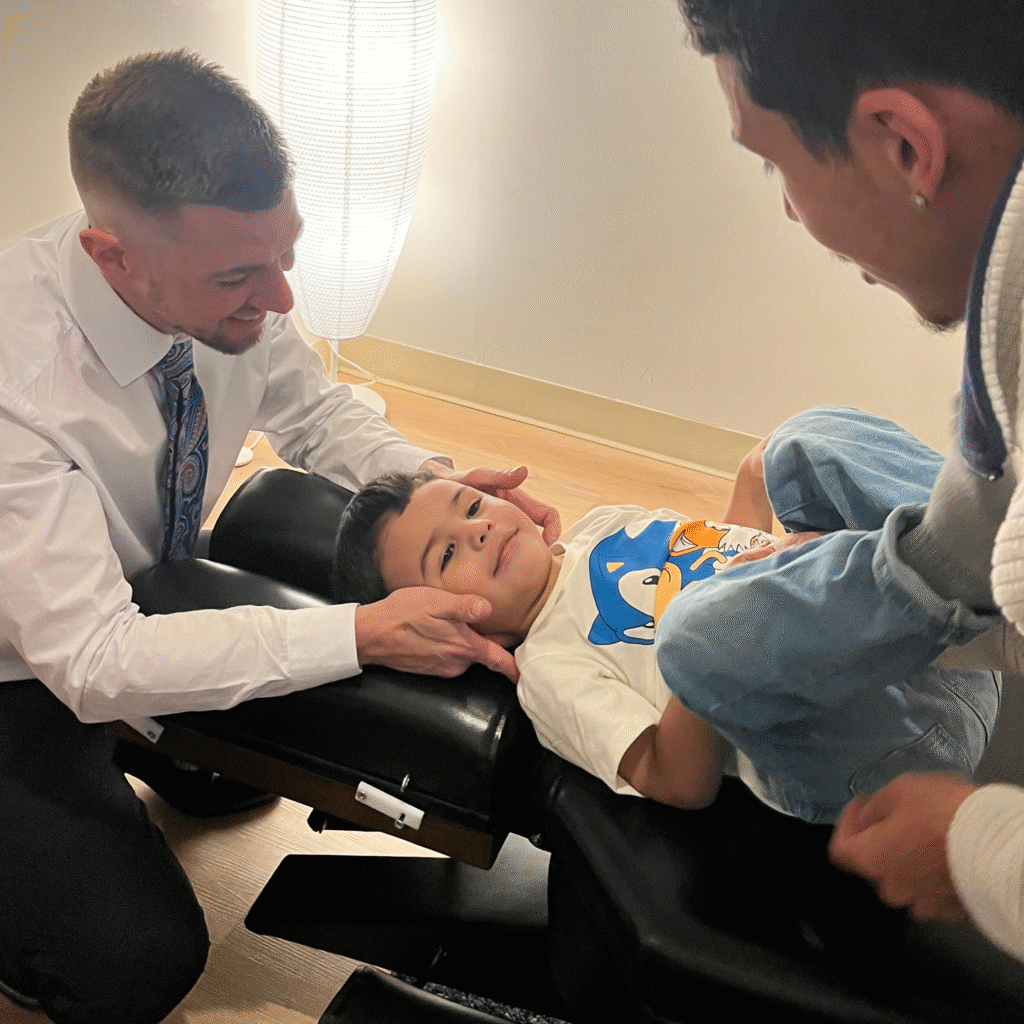
Pediatric adjustments at Life Alive Chiropractic are:
- extremely gentle
- specific to developing spines and nervous systems
- drug-free and non-invasive
As regulation improves, parents often report:
- better sleep
- improved digestion
- fewer sickness cycles
- calmer behavior
- better resilience
Not because we “treat” a condition, but because the body can finally regulate and adapt better.
Ready to See What Your Child’s Nervous System Looks Like?
If your child has been struggling, or you simply want to be proactive, we invite you to schedule a pediatric INSiGHT Scan evaluation.
Early detection can change outcomes.👉 Book here: https://lifealive.janeapp.com/#/list